

 @startcdl
 +1 (224) 520-3169



Types of CDL Licenses Class A, B, C: Complete Guide
In the United States, driving commercial vehicles needs a Commercial Driver’s License (CDL). However, not every CDL is equal. There are several types of CDL, each allowing a different size, weight, and the ability to haul. If you have ever asked yourself, “What are the different CDL license types,” then this guide is for you as it clarifies the comparison between Class A, Class B, and Class C licenses.
Regardless of whether you are new to the trucking profession or if you are simply increasing your options of career choice, having the knowledge of the different types of CDL is crucial.
CDL License Types
The U. S. Department of Transportation has listed three kinds of CDL levels:
The distinctions among these categories are the corresponding commercial vehicles that you would be permitted to drive. The different levels have weight limits, endorsements, and vehicle restrictions. It is not only the drivers but also the licensing that helps them identify the right path for their job aspirations.
Class A, B, C: Different CDL Classes?
Here is a detailed explanation of the diverse CDL classes employed in the goods transport sector.
Class A CDL
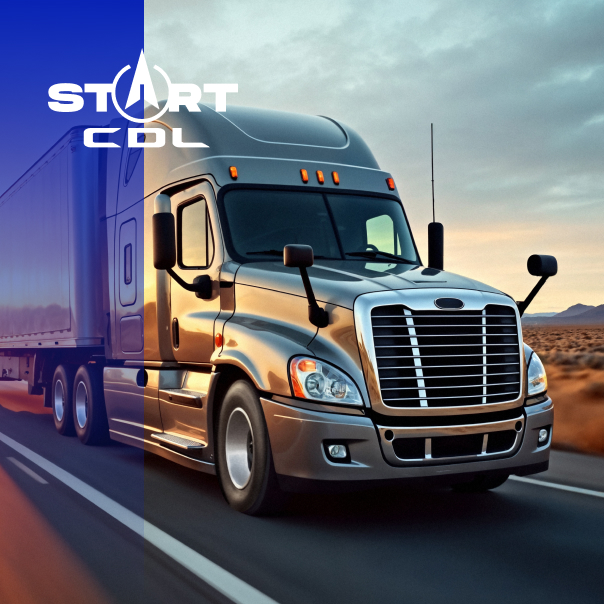
The Class A CDL is the least restricted license of all. It grants the use of combination vehicles with a Gross Combination Weight Rating (GCWR) of 26,001 lbs or more if the lighter of both the vehicles is at least 10,000 lbs.
The common vehicles are:
- Semi-trailer trucks
- Flatbeds
- Tankers
- Livestock trucks
- Double/triple trailers
If a driver has the right endorsements he/she may also drive some Class B and Class C vehicles along with the Class A ones.
Possible jobs for Class A CDL:
- Long-haul trucking
- Regional delivery
- Intermodal freight
- Hazardous materials (with endorsement)
This is the way to go for drivers who want to have the most flexibility and earning power.
Class B CDL
The weight of a Class B CDL includes one vehicle with the weight of at least 26,001 lbs, or the trailer in case of combination vehicles is 10,000 lbs or less.
Examples of Class B vehicles:
- Straight trucks
- Box trucks (for parcel or furniture delivery)
- Dump trucks
- Concrete mixers
- City and school buses
- Buses for large group transport
The work of a Class B driver includes local freight delivery, signing of municipal routes, and performing industrial operations. Through endorsements, this license could incorporate air brakes, passenger transport, or hazardous materials.
Class C CDL
A Class C CDL is required when the vehicle to be operated fails to meet Class A or B weight standards but has the capacity to take more than 16 passengers or is transporting hazardous materials.
Examples of Class C vehicles:
- Small vehicles carrying hazardous materials
- Vans for passengers
- Transport between airport and hotel
- Small commercial vehicles
Drivers typically hold a Class C license for specialized transportation where safety and compliance are highly regulated.
What Are the 3 Types of CDL License?
In a nutshell, there are three types of CDL officially recognized:
- Class A — Heavy tractor-trailers and high-capacity towing
- Class B — Large single-unit commercial vehicles
- Class C — Passenger or hazardous materials vehicles below Class A/B weight limits
These are the basic CDL types that restrict the commercial vehicles you can operate legally.
Common Endorsements Across CDL Types
All types of CDL with endorsements can have extended privileges:
- H: Hazardous materials
- N: Tankers
- P: Passenger transport
- S: School bus
- T: Double/triple trailers
- X: Tank + Hazmat combination
Endorsements may involve a process of additional testing and background check.
How to Choose Between Different Types of CDL Licenses
Different types of CDL should be compared according to one’s career goals:
- Goal Best CDL Type
- Long-haul trucking, cross-country shipping Class A
- Local routes, municipal work, heavy single trucks Class B
- Passenger transportation or smaller hazmat vehicles Class C
In case you want to have the maximum choice of trucking jobs, Class A would be the most flexible option. Class B would be the right class for construction, utilities, service fleets, and deliveries. Class C would be very appropriate for passenger transport and regulatory-sensitive cargo.

Max is an editor, translator, and driver from Ukraine, with over 15 years of driving experience.
Regularly collaborating with our experts, he prepares materials for drivers
that can be useful for improving qualifications.
Related Articles
If you have your sights set on going into trucking, you have likely heard something about the CDL A...
The Class B type-license of commercial driver used for heavier single-vehicle applications across t...
An Illinois driver’s license renewal is a must-do if you want your legal driving status to continue...
10 years of experience
and
10000+ graduated
students with CDL
Feel free to ask
us any questions about
getting a CDL in the USA
